Geopolitics
Latest in Geopolitics
Discover the most recent articles in this category
2026-09-23 06:01:35.941 • by
Alan Iverson
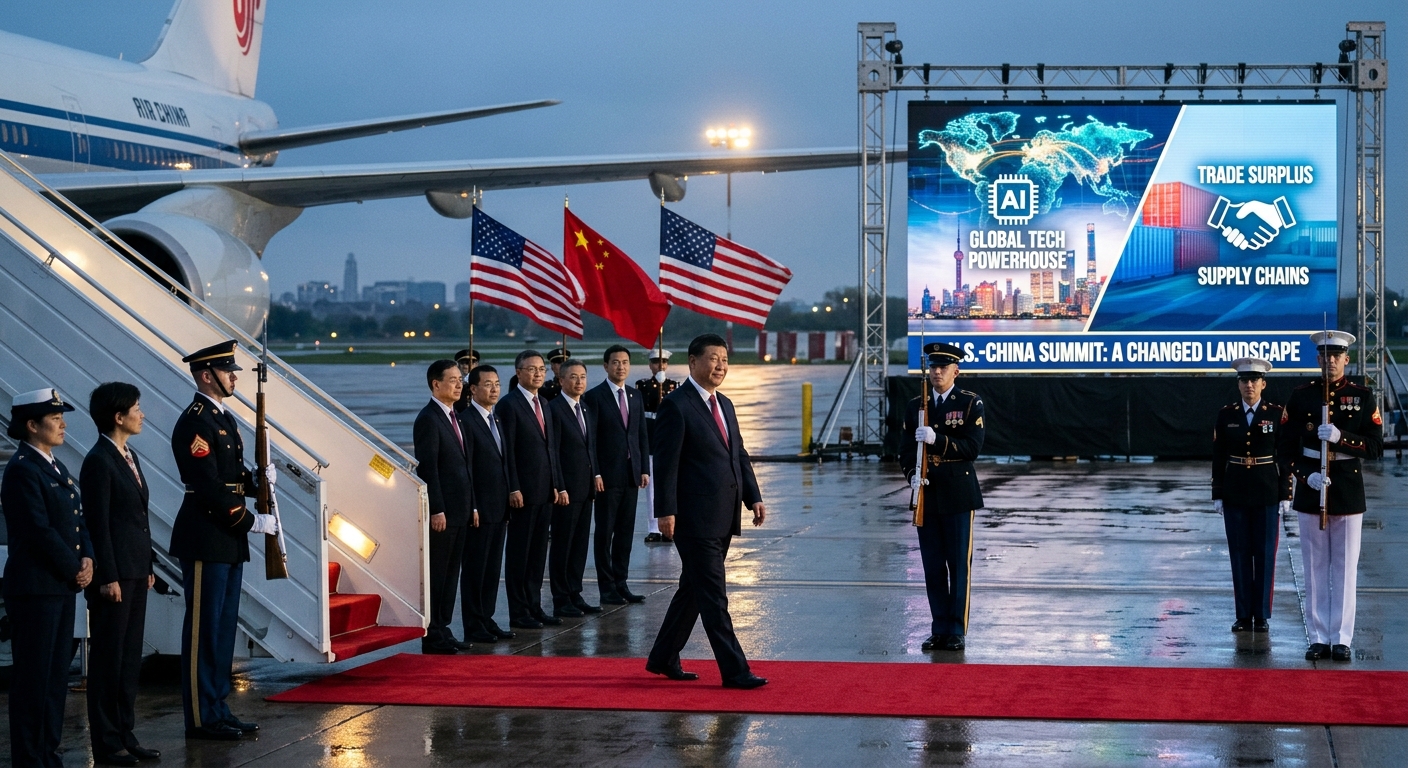
Chinese leader Xi Jinping arrives in the US in a vastly stronger position than a decade ago, with China emerging as a tech heavyweight, global economic power, and influential diplomatic actor, forcing the US to treat Beijing with new equality and respect amidst shifting global dynamics.
2026-09-20 06:01:34.463 • by
Amy Ivanov
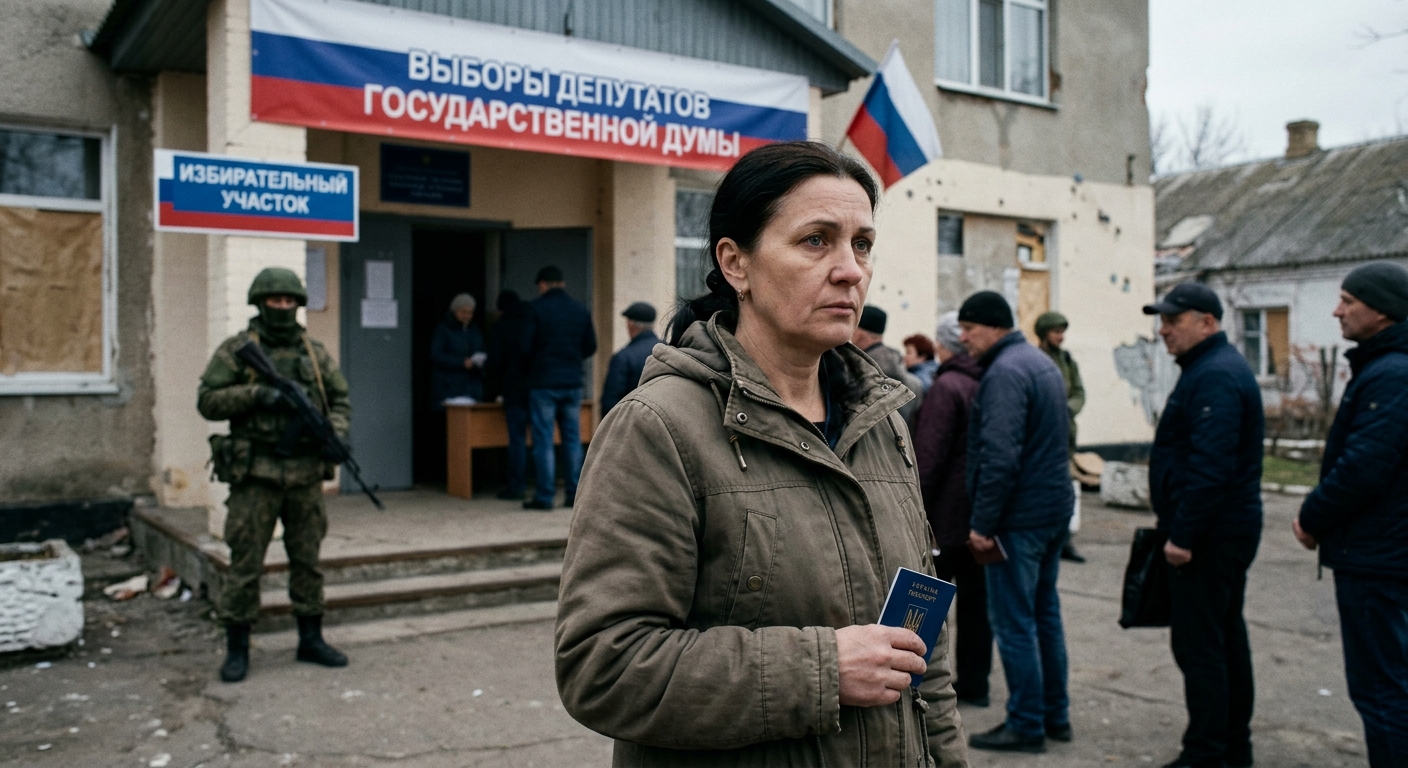
Ukraine has vehemently condemned Russia's decision to include residents of its illegally annexed regions in parliamentary elections for the first time, calling the move unlawful. Kyiv officials and human rights activists allege coercion in the poll, which aims to solidify Russia's territorial gains. The voting, which officially runs from Friday to Sunday, has been ongoing in these disputed areas since late last month due to security concerns, involving over 3.5 million voters in Donetsk, Luhansk, Kherson, and Zaporizhzhia – territories annexed by Russia in September 2022 in a move not internationally recognized.
2026-09-14 06:02:28.571 • by
Arturo Iglesias
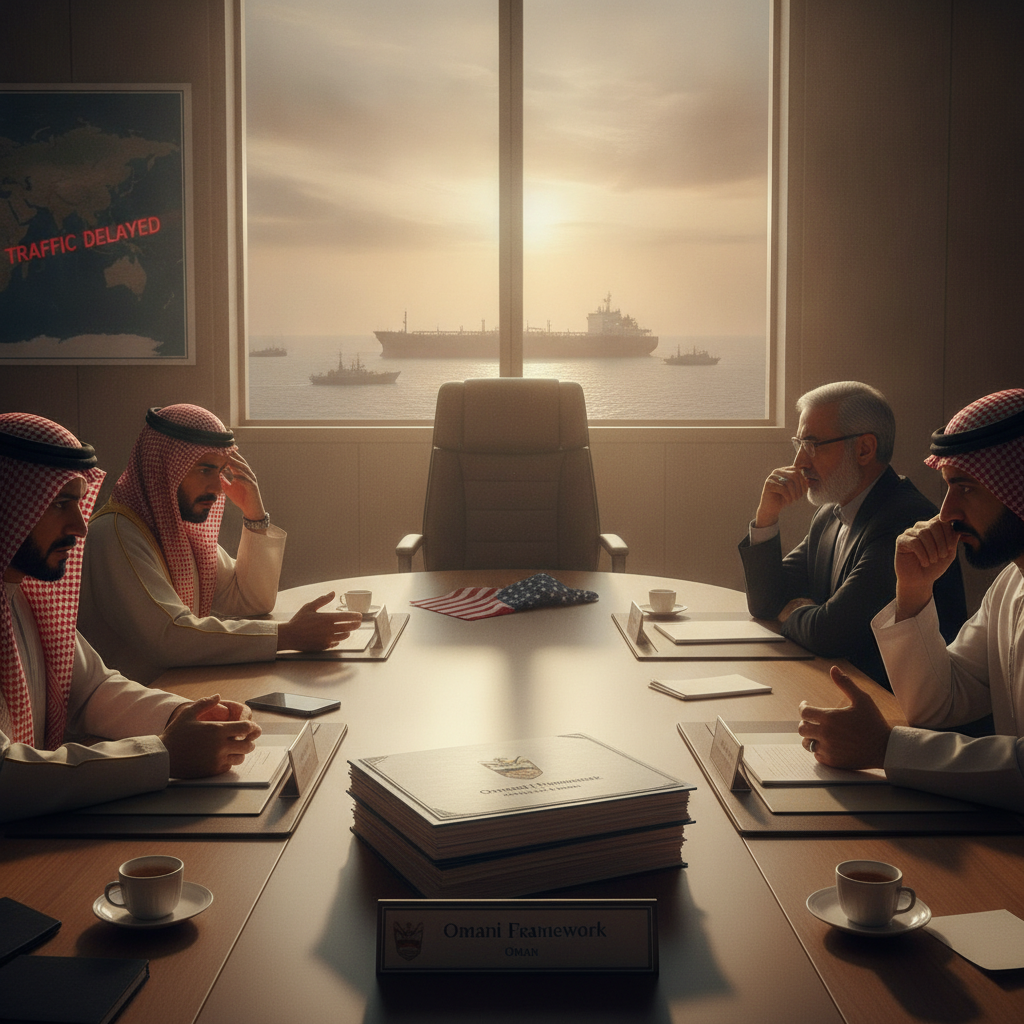
Crucial talks between Gulf diplomats and Iranian officials, aimed at reopening the Strait of Hormuz to regular tanker traffic without U.S. participation, have been indefinitely postponed. The delay, announced by Oman's foreign minister, was attributed to the need for consensus, following concerns from Saudi Arabia regarding proposed legal frameworks, especially the contentious issue of Iranian tolls. The U.S. maintains its focus on Iran's nuclear program, viewing it as the sole priority for future negotiations, despite regional players seeing the strait's resolution as a critical precursor to broader peace talks.
2026-09-09 12:01:35.125 • by
Alex Ingram
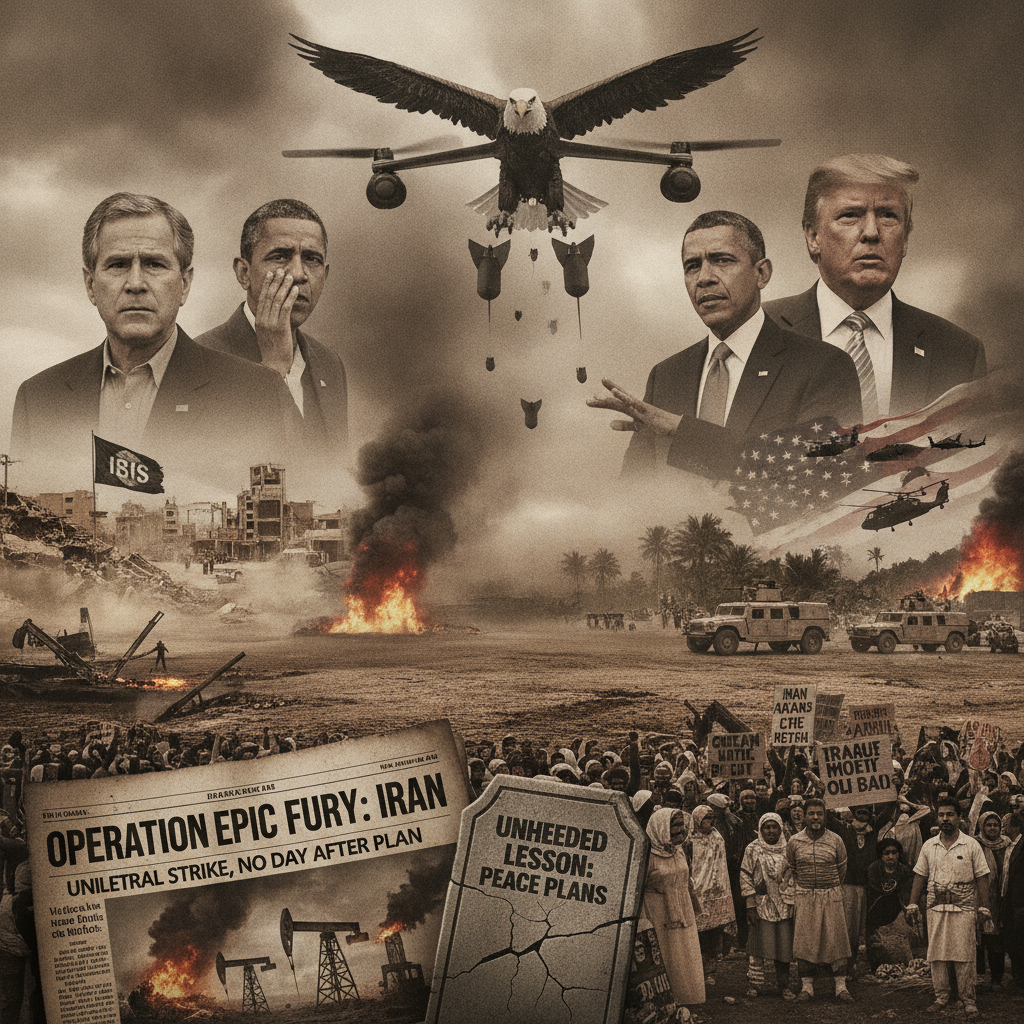
The article critically examines how US presidents, notably Donald Trump, failed to learn crucial lessons from the post-9/11 wars. It highlights the expansion of presidential war powers, the launch of conflicts like Operation Epic Fury in Iran without proper authorization or public support, and a consistent lack of 'day after' planning, which led to prolonged quagmires, civil wars, and undermined America's global standing despite tactical military successes against terrorist groups.
2026-06-24 06:01:09.263 • by
Alan Iverson
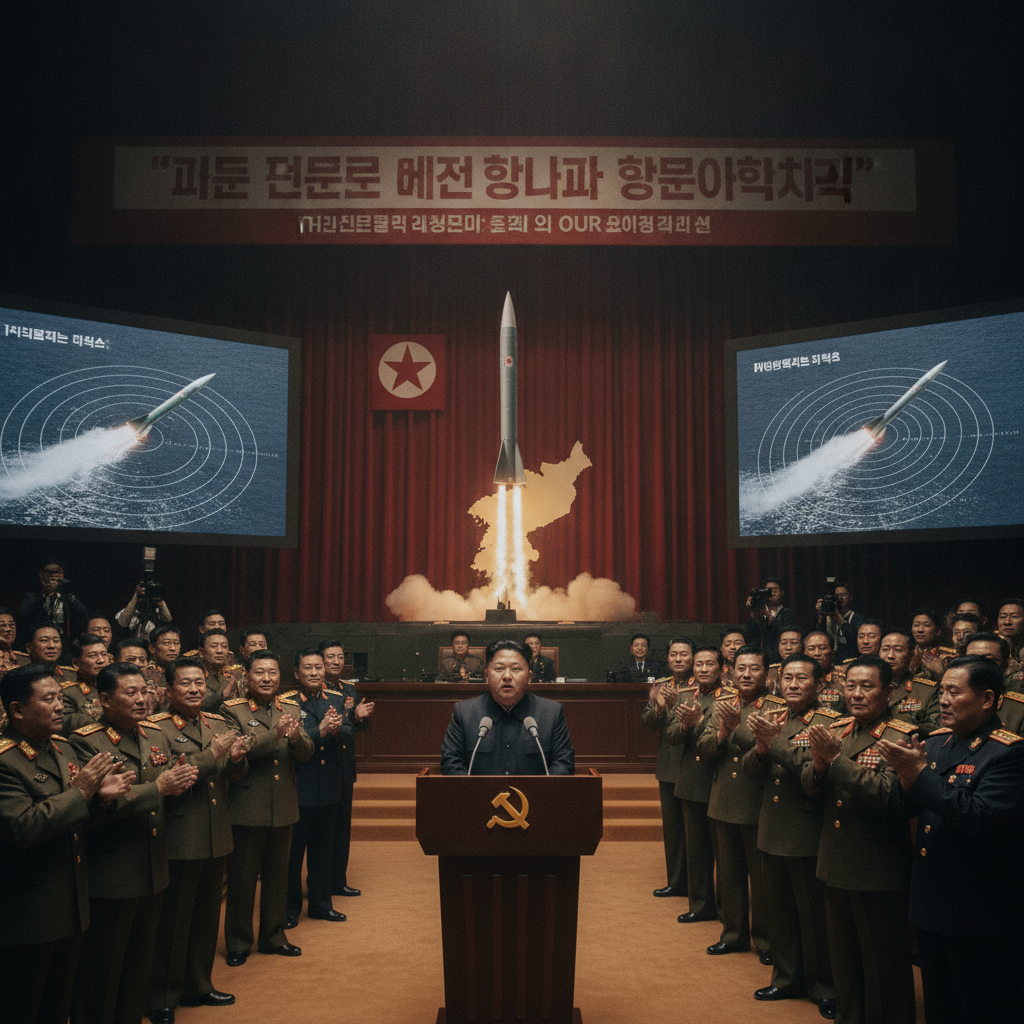
North Korea's Kim Jong-un is rapidly expanding the country's nuclear arsenal, declaring it the 'most correct way' to ensure security against growing threats from the US and its allies, with analysts suggesting denuclearization is no longer a viable option.
2026-06-12 06:00:32.519 • by
Alfred Ignacio
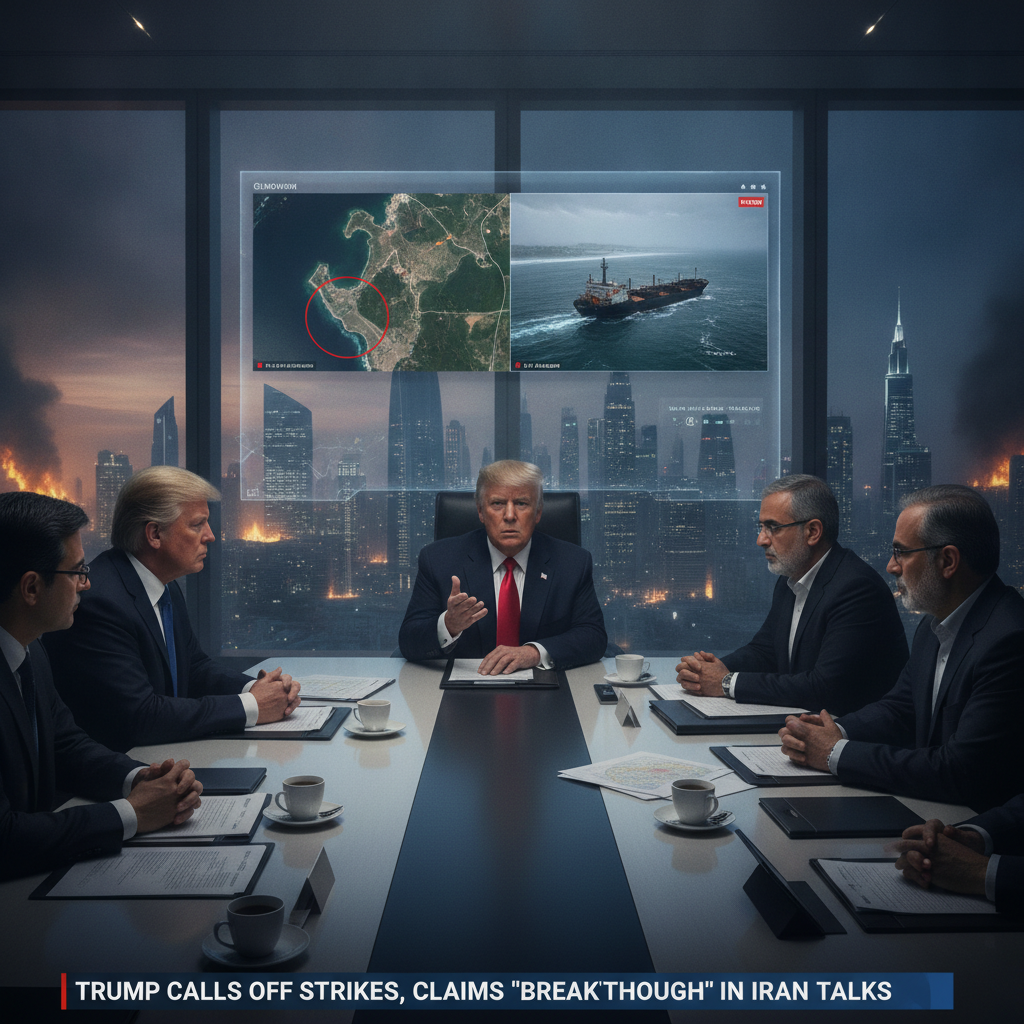
U.S. President Donald Trump announced he called off new military strikes on Iran, claiming a breakthrough in negotiations to end the conflict, just hours after threatening to escalate by seizing Iran's oil industry. The ceasefire extends time for talks on Iran's nuclear program and control of the Strait of Hormuz, highlighting Trump's volatile approach to the crisis amidst ongoing tensions and U.S. enforcement of blockades.
2026-05-25 12:04:50.785 • by
Amy Ivanov
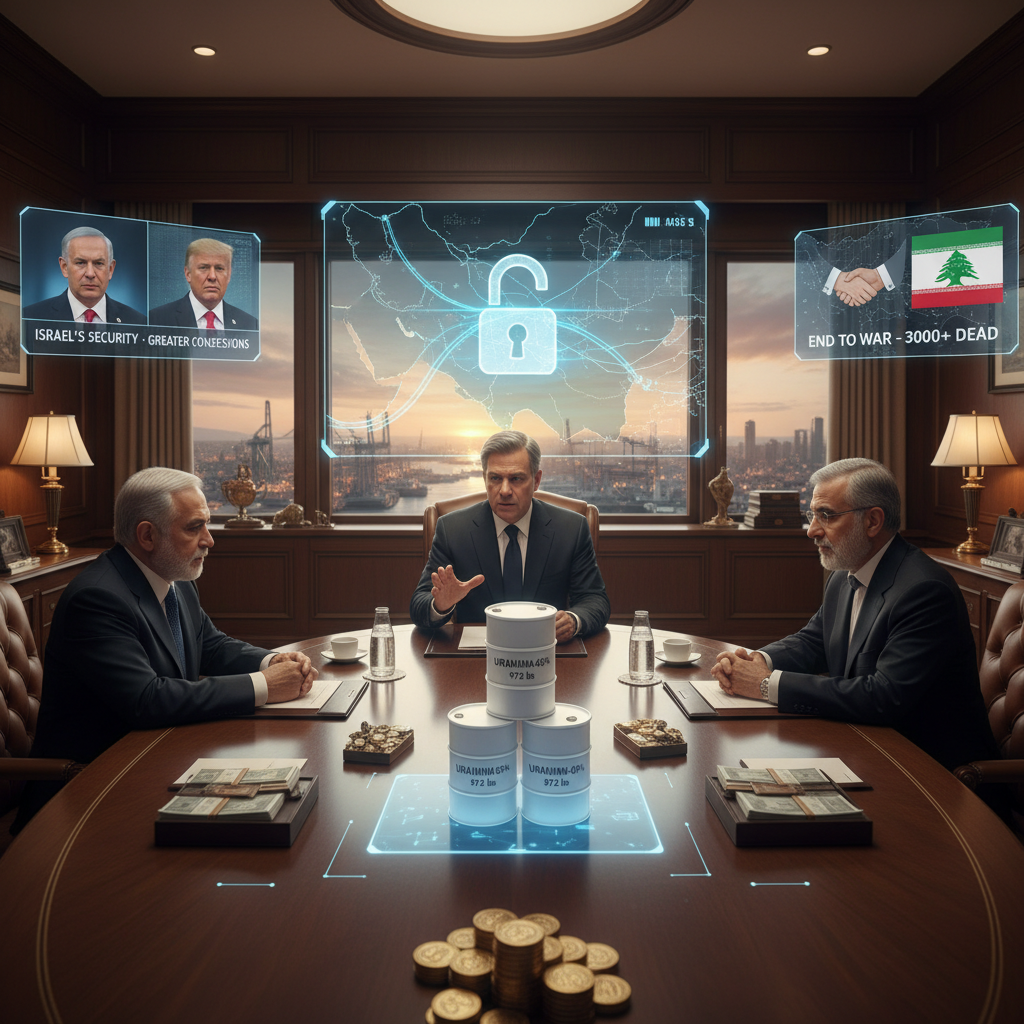
The United States and Iran are reportedly nearing a comprehensive deal that would end the ongoing war, facilitate the reopening of the crucial Strait of Hormuz, and see Iran relinquish its stockpile of highly enriched uranium, though President Trump urges caution.
2026-05-24 06:00:55.081 • by
Abigail Isaacson
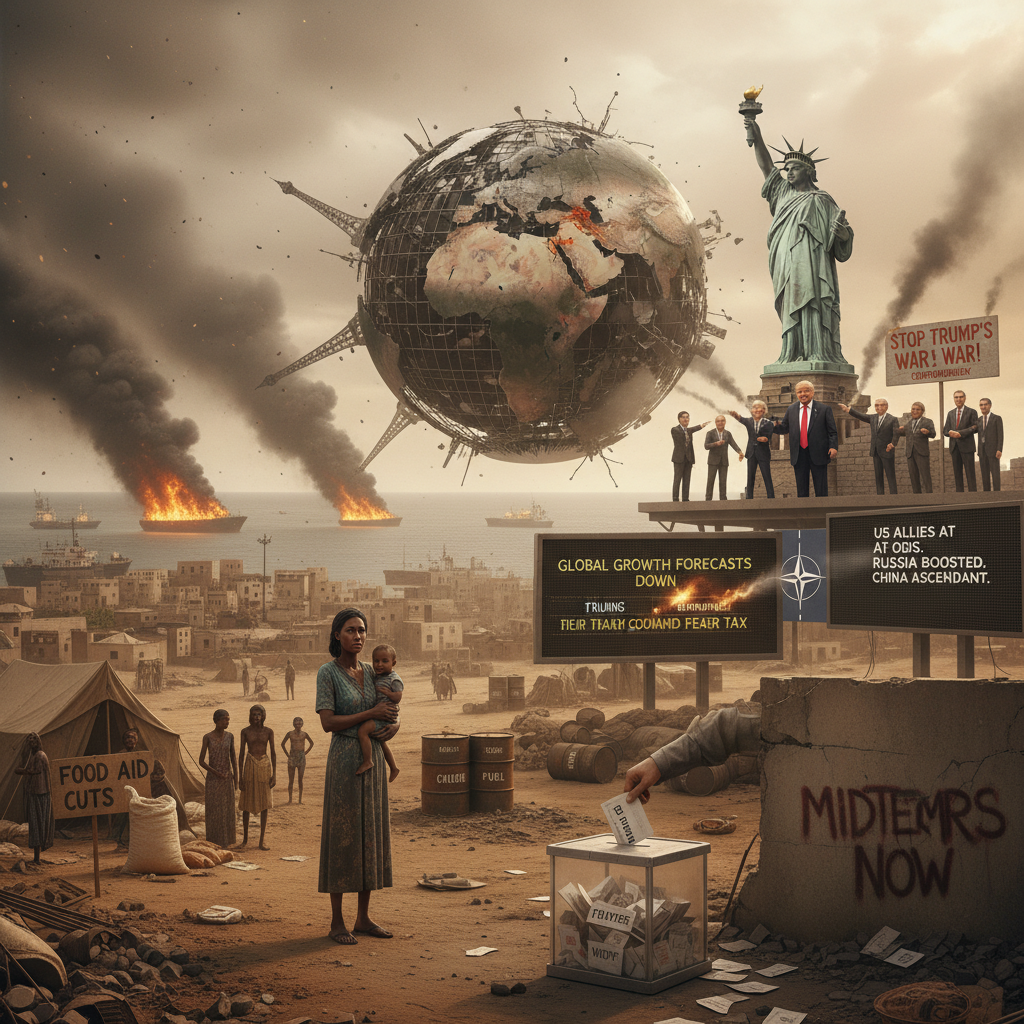
The article warns that the ongoing, deadlocked US war in Iran, initiated by Donald Trump, is a global catastrophe with severe humanitarian, economic, and geopolitical consequences, potentially more damaging than past US conflicts. It argues Trump is trapped between escalating war crimes or accepting a humiliating defeat, neither of which is tenable. With global approval ratings plummeting and the world suffering immense harm, the author urgently asks who will stop Trump, proposing radical collective action from international governments and American citizens.
2026-05-22 06:01:37.299 • by
Abigail Isaacson
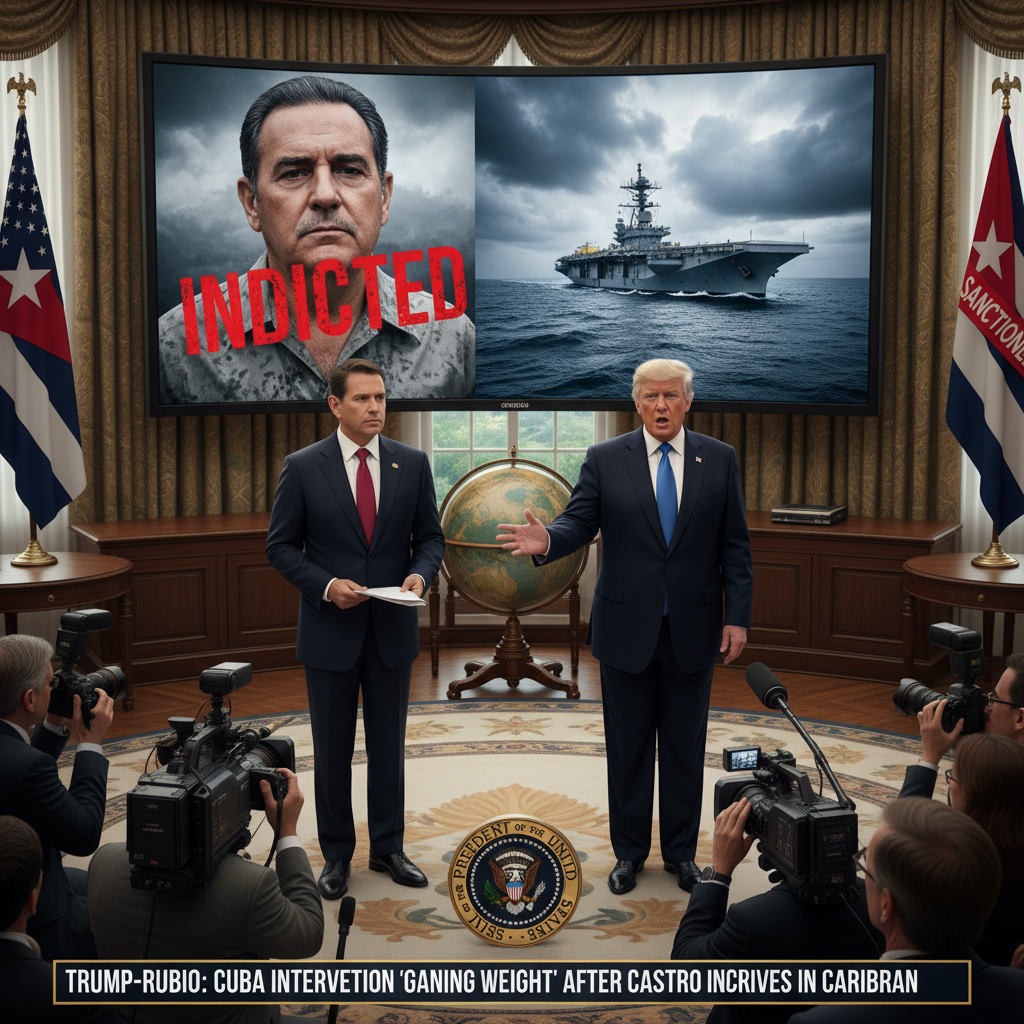
The Trump administration, led by President Trump and Secretary of State Marco Rubio, has escalated threats of U.S. military intervention in Cuba following the indictment of former leader Raúl Castro. While preferring a peaceful resolution, officials express doubt about diplomatic success and emphasize Cuba's role as a national security threat due to its ties with U.S. adversaries.
2026-05-12 18:01:50.357 • by
Aaron Irving
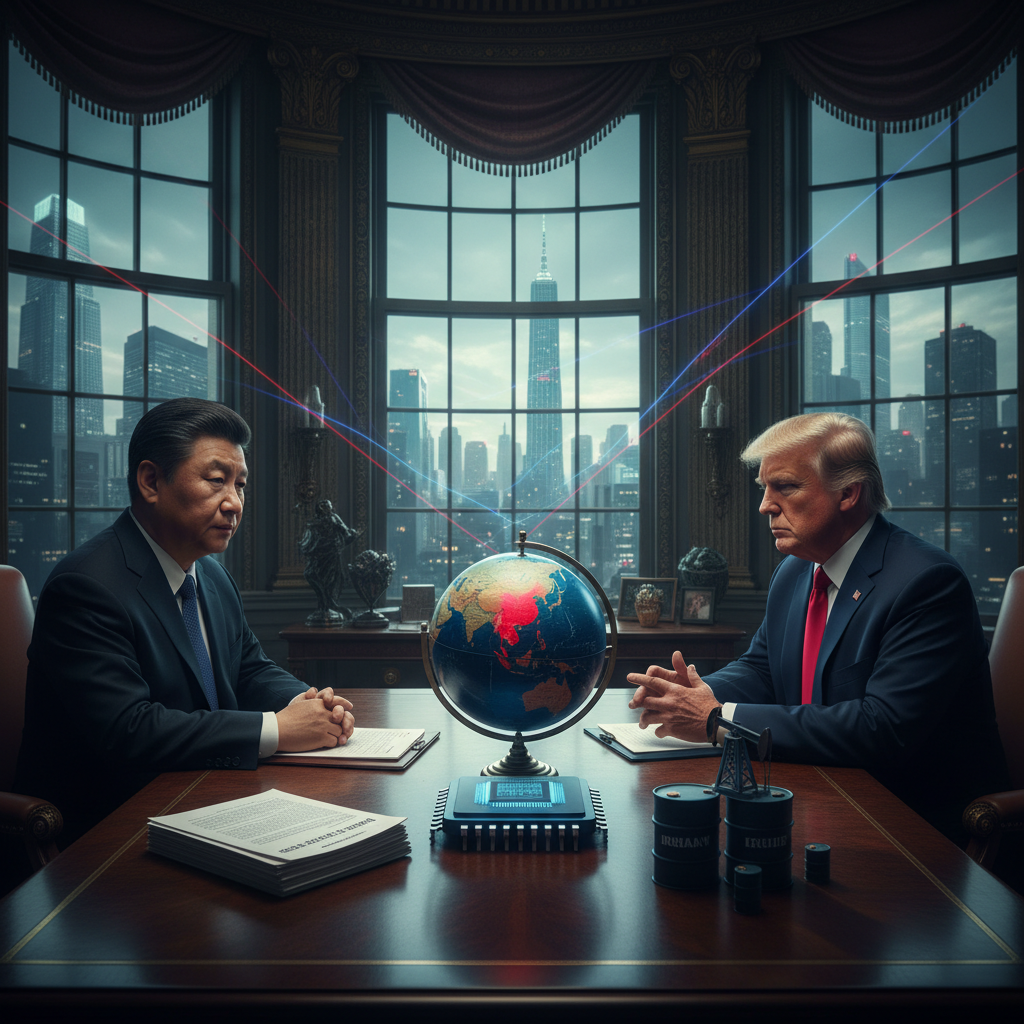
Presidents Xi Jinping and Donald Trump are preparing for a critical summit, aiming to maintain stability in US-China ties despite deep-seated complexities. Key topics include a fragile potential trade deal that won't solve underlying issues, US restrictions on high-tech chip exports pushing China towards self-reliance, the 'biggest risk' posed by Taiwan, and US demands for China to pressure Iran. Experts predict limited breakthroughs on these complicated matters.