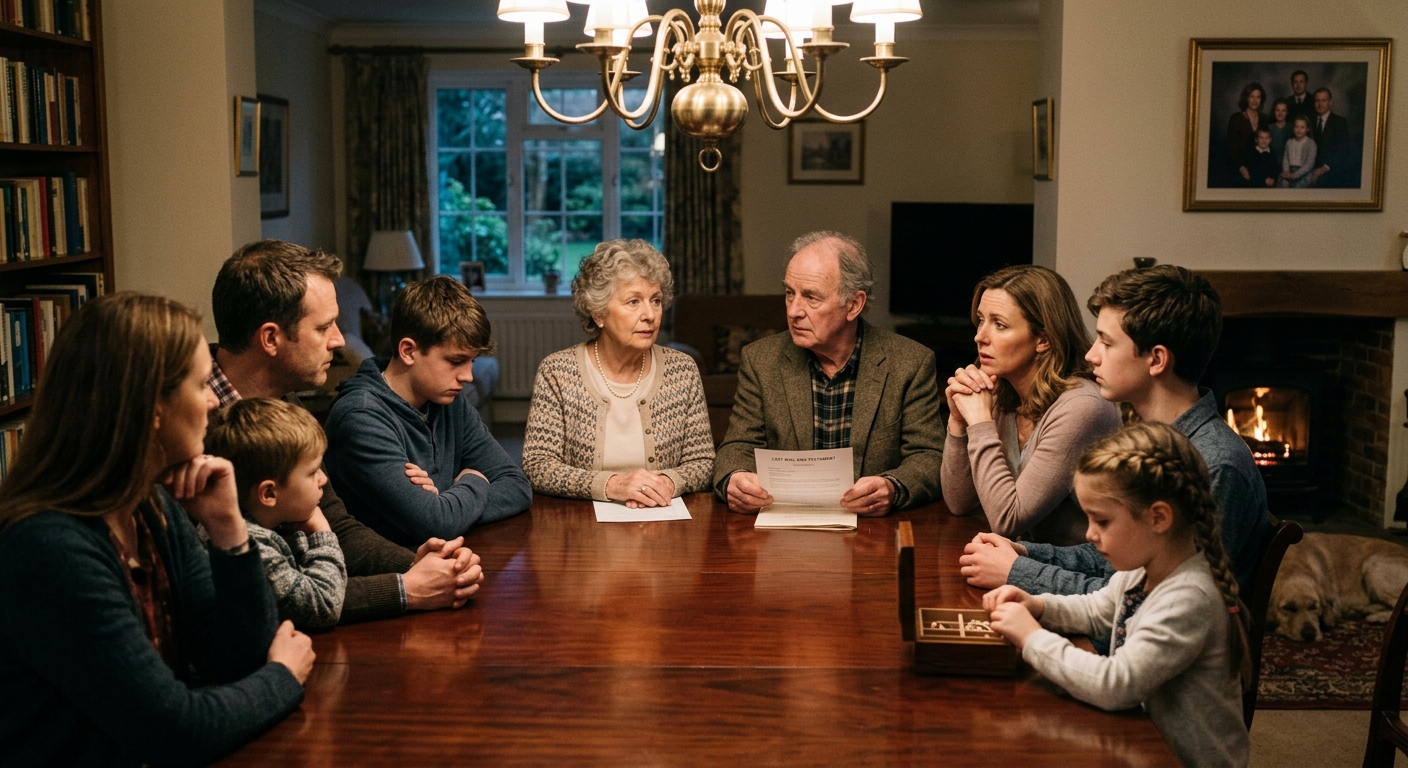
A couple grapples with the dilemma of whether to reveal their will's potentially surprising contents to their children and grandchildren now or after their death, weighing the risk of immediate ill-feeling against post-mortem misunderstandings. Their will includes specific provisions like jewellery for granddaughters and a unique generational division of assets.
A couple with three children and several grandchildren seeks advice on whether to disclose the contents of their will, which may hold surprises for their beneficiaries. They've already provided substantial financial aid for homes and education, aiming to help descendants when they need it most and ensure the gifts are recognized as coming directly from them. Their will specifies that the wife's jewellery goes exclusively to their granddaughters, potentially upsetting mothers of grandsons, and the estate's financial value is divided equally among the next three generations, with a cap that no generation's member receives more than their parent. They fear telling their children now might be perceived as seeking opinions, causing immediate friction, but not telling could lead to misunderstandings and ill-feeling after their death. Annalisa Barbieri, with lawyer Gary Rycroft, strongly advocates for transparency. While there's no legal obligation to reveal a will's details, they advise discussing it beforehand to prevent family disputes and ensure beneficiaries understand the reasoning behind the decisions. Rycroft suggests formalizing any explanatory document as a 'memorandum of wishes' as it clarifies intentions without overriding the will, and notes that an inheritance also shapes how a person is remembered. They also remind readers that beneficiaries over 18 can legally vary their inheritance after death.