Thousands marched in Minneapolis and across the country to protest the fatal shooting of Renee Good by a federal immigration officer and two other shootings in Portland, Oregon. Minnesota leaders urged peaceful demonstrations amid a massive federal immigration crackdown, with officials like Mayor Frey and Gov. Walz criticizing President Trump's administration for escalating tensions and creating an environment of fear.
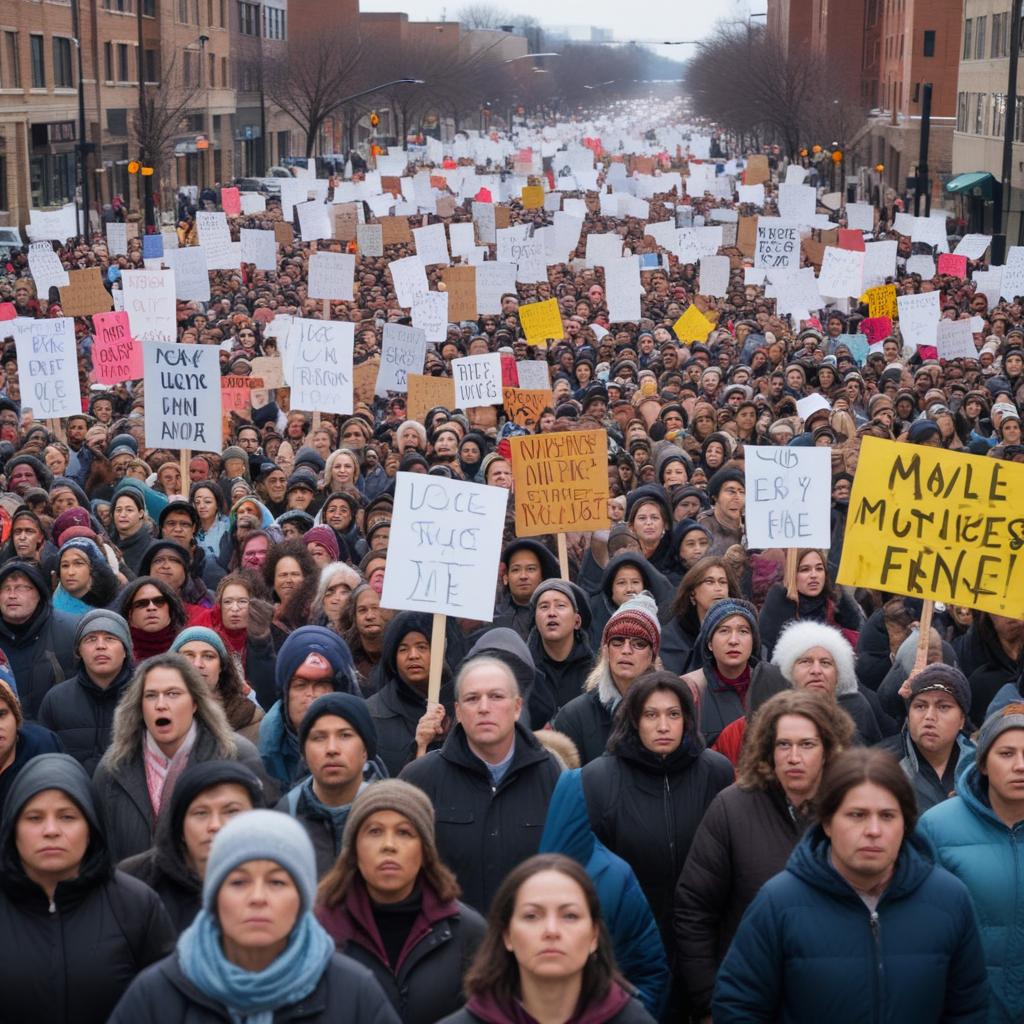
Thousands of people marched in Minneapolis and other cities nationwide to protest the fatal shooting of Renee Good by a federal Immigration and Customs Enforcement (ICE) officer in Minneapolis, as well as the shooting of two people in Portland, Oregon. The Minneapolis protest, occurring in a city on edge, saw demonstrators expressing fear and frustration over ICE's actions and the broader immigration crackdown. A previous protest in Minneapolis turned violent, leading to injuries and arrests, though city officials stressed that most demonstrations have been peaceful. Mayor Jacob Frey and Gov. Tim Walz urged peace, criticizing 'agitators' and directly blaming President Trump for deploying thousands of federal officers and seeking chaos to distract from the 'horrific action.' The U.S. Department of Homeland Security described its deployment in the Twin Cities as its biggest-ever immigration enforcement operation, with the Trump administration claiming the shootings were acts of self-defense. Protesters, including children, braved subfreezing temperatures, carrying signs like 'De-ICE Minnesota!' Despite the large demonstration, federal officers continued operations nearby, detaining individuals and warning journalists. Minneapolis Police Chief Brian O’Hara reported widespread ICE activity, abandoned vehicles, and 911 calls related to arrests across the city. The crackdown, involving over 2,000 officers, is partly linked to alleged fraud involving Somali residents. Furthermore, three Minnesota congresswomen—U.S. Reps. Ilhan Omar, Kelly Morrison, and Angie Craig—were denied full access to an ICE facility, accusing agents of obstructing their oversight duties, despite a federal judge's ruling against such limitations on congressional visits.