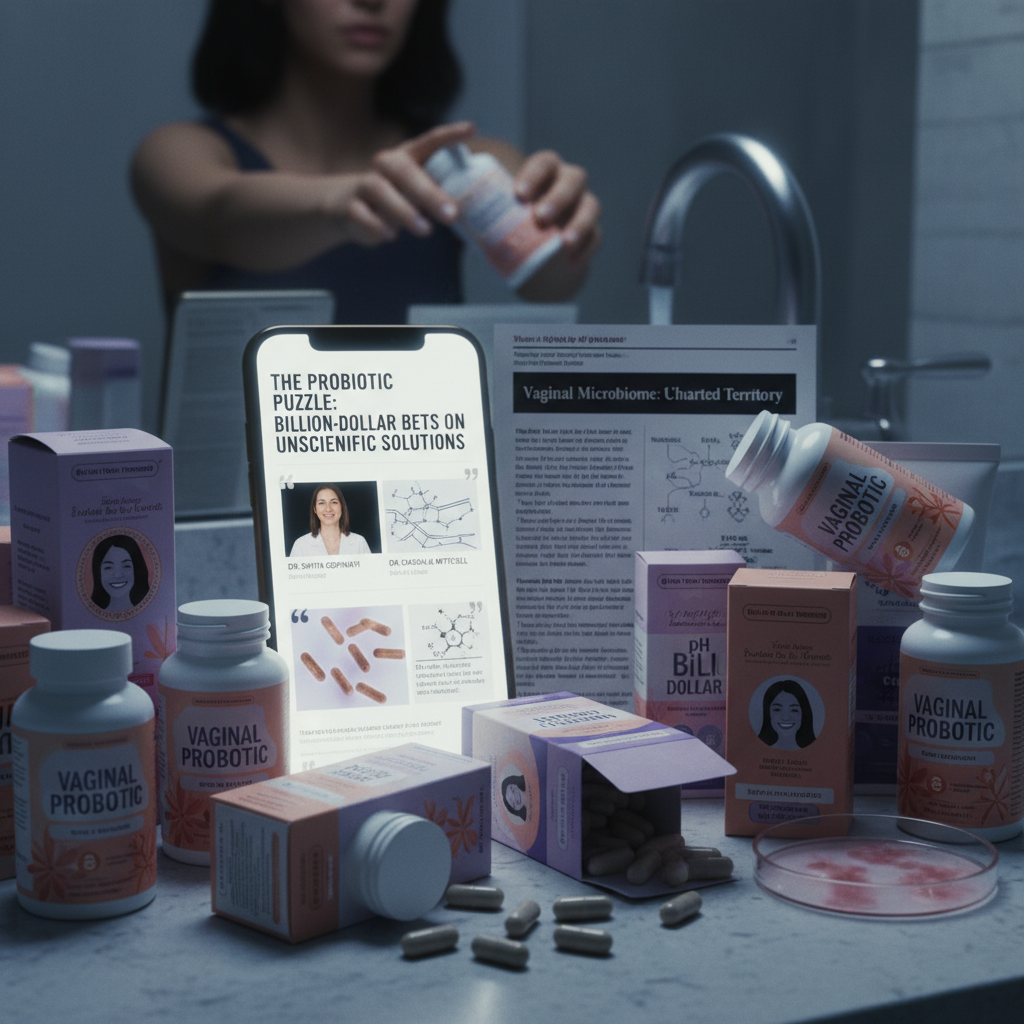
The booming 'feminine probiotic' industry promises healthier vaginas, but experts warn that scientific evidence is largely lacking, most products are unproven, and self-diagnosis can be dangerous. The article delves into the complexities of the vaginal microbiome and the slow progress in effective treatments.
The article critically examines the billion-dollar 'feminine probiotic' industry, which heavily markets supplements and suppositories for vaginal health, promising solutions for infections and better-smelling genitalia. This surge is partly driven by widespread frustration over the lack of effective treatments for vaginal microbiome-related conditions like UTIs and bacterial vaginosis, which have seen little therapeutic advancement in decades. However, experts like Smita Gopinath and Dr. Caroline Mitchell emphasize that the science behind the vaginal microbiome is far from settled, with researchers still lacking basic understanding of its mechanisms. A healthy vaginal microbiome is typically dominated by a single species, *Lactobacillus*, which produces lactic acid to maintain an acidic pH, preventing harmful bacterial overgrowth. Unlike the gut, the vaginal microbiome is hormonally acquired and not significantly influenced by diet. The article stresses that the vagina is self-cleaning and generally doesn't require intervention if healthy. Factors like antibiotics, unprotected sex, douching, and spermicides can disrupt it, while menstrual cups and combined oral contraceptives may offer support. Crucially, the vast majority of commercial vaginal probiotics lack scientific evidence to reliably or comprehensively shift the microbiome. The FDA's lax regulation of supplements means manufacturers can make unsubstantiated health claims without proof or safety testing. While there's promising early research for a vaginally delivered multi-strain probiotic for recurrent bacterial vaginosis, current evidence for most interventions is insufficient. Experts caution against self-diagnosing and using unproven products, advising professional testing to avoid delaying proper treatment for actual medical issues. Despite the current lack of effective commercial products, researchers remain optimistic about future scientific advancements in understanding and treating vaginal microbiome conditions.