The Supreme Court's recent ambiguous rulings on mail ballots offer little clarity for future election disputes, particularly concerning the 2028 presidential race. While rejecting a Trump administration plan for USPS to screen ballots, the justices' cryptic order and individual dissents signal ongoing legal battles and deep divisions over voting integrity claims, raising concerns about the stability of future electoral processes.
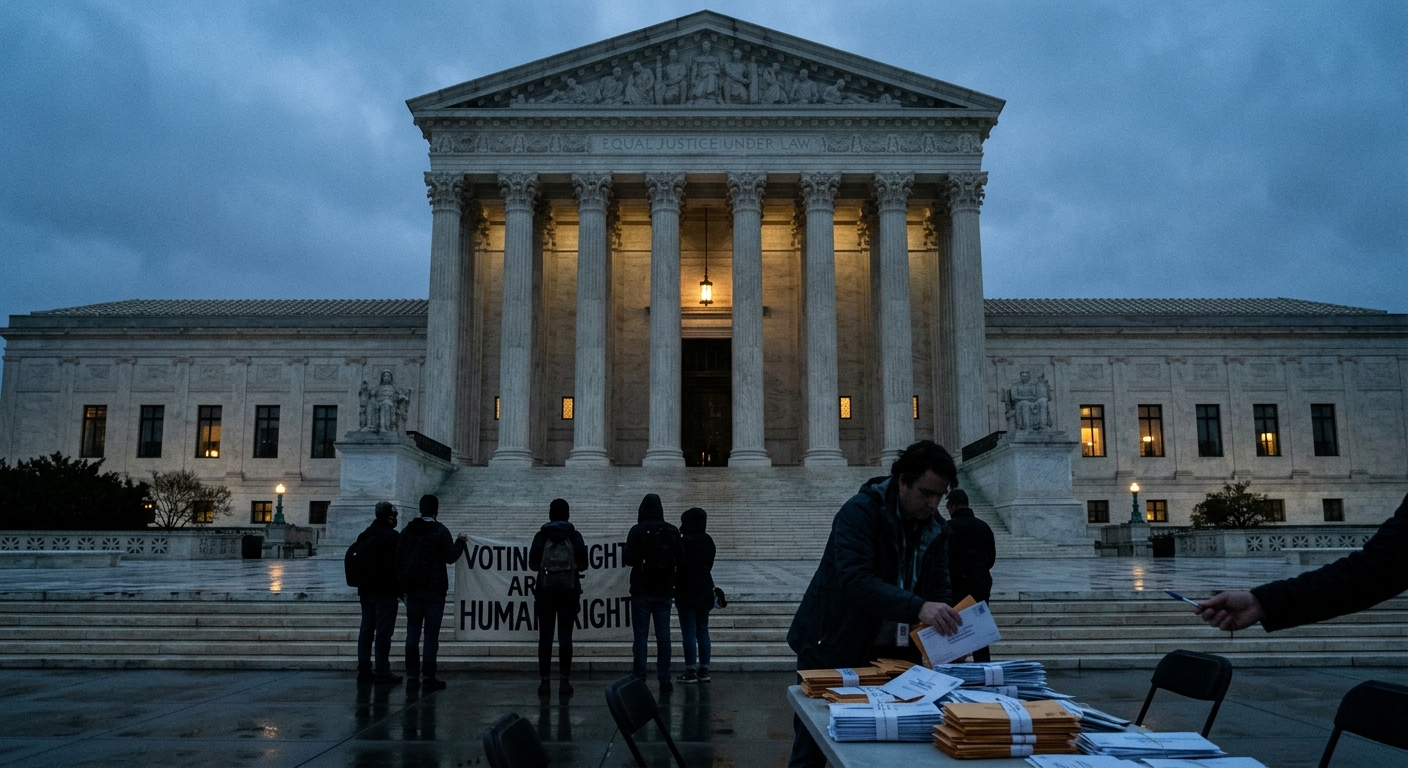
The Supreme Court's recent election-related decisions, particularly a cryptic, unsigned order rejecting President Trump's plan for the US Postal Service to screen mail ballots, provide scant guidance for future high-stakes electoral disputes. This ruling, a clear win for Democratic-led states and voting-rights advocates, offered no underlying legal reasoning, merely stating the government was unlikely to succeed on its challenge to a lower court injunction. This ambiguity leaves legal experts anticipating continued 'turbulence' around mail-in voting issues through the current electoral cycle and into the 2028 presidential election. Justices Samuel Alito and Clarence Thomas consistently echo unsubstantiated claims of mail-in voter fraud, with Alito dissenting in both the Monday ruling and an earlier 5-4 decision in June that upheld Mississippi's mail ballot grace period. Conversely, Justice Brett Kavanaugh, while joining the majority on Monday, suggested future openness to the Postal Service controlling ballots. Former US Solicitor General Donald Verrilli warns that the 'drumbeat' of fraud claims, despite a lack of evidence, will persist. The article highlights the high stakes of these cases, impacting cherished voting rights and the ability of citizens to be represented, especially given the Court's earlier actions on the 1965 Voting Rights Act and redistricting that allowed states greater latitude to draw maps potentially diluting minority voting power. Trump reacted angrily to the Monday ruling, denouncing his three appointees (Gorsuch, Kavanaugh, Barrett) for not supporting his plan, while Attorney General Todd Blanche affirmed the Justice Department's intent to continue trying to restrict mail voting, citing integrity concerns. The rejected USPS rules would have mandated states submit voter lists and use specific barcoded envelopes, with non-compliance leading to ballot rejection, potentially disenfranchising 30% of voters, including military personnel, the elderly, and disabled individuals. The ongoing legal challenges underscore deep ideological divides within the Court and the nation regarding the future of electoral practices.