Brazilian President Luiz Inácio Lula da Silva, a defining figure of the country's left for decades, faces his toughest political battle yet in a runoff election against Flávio Bolsonaro, son of the imprisoned former president. Amid new corruption probes, international tensions, and a shifting political landscape, Lula's movement fights for survival against a resurgent right and deep national polarization.
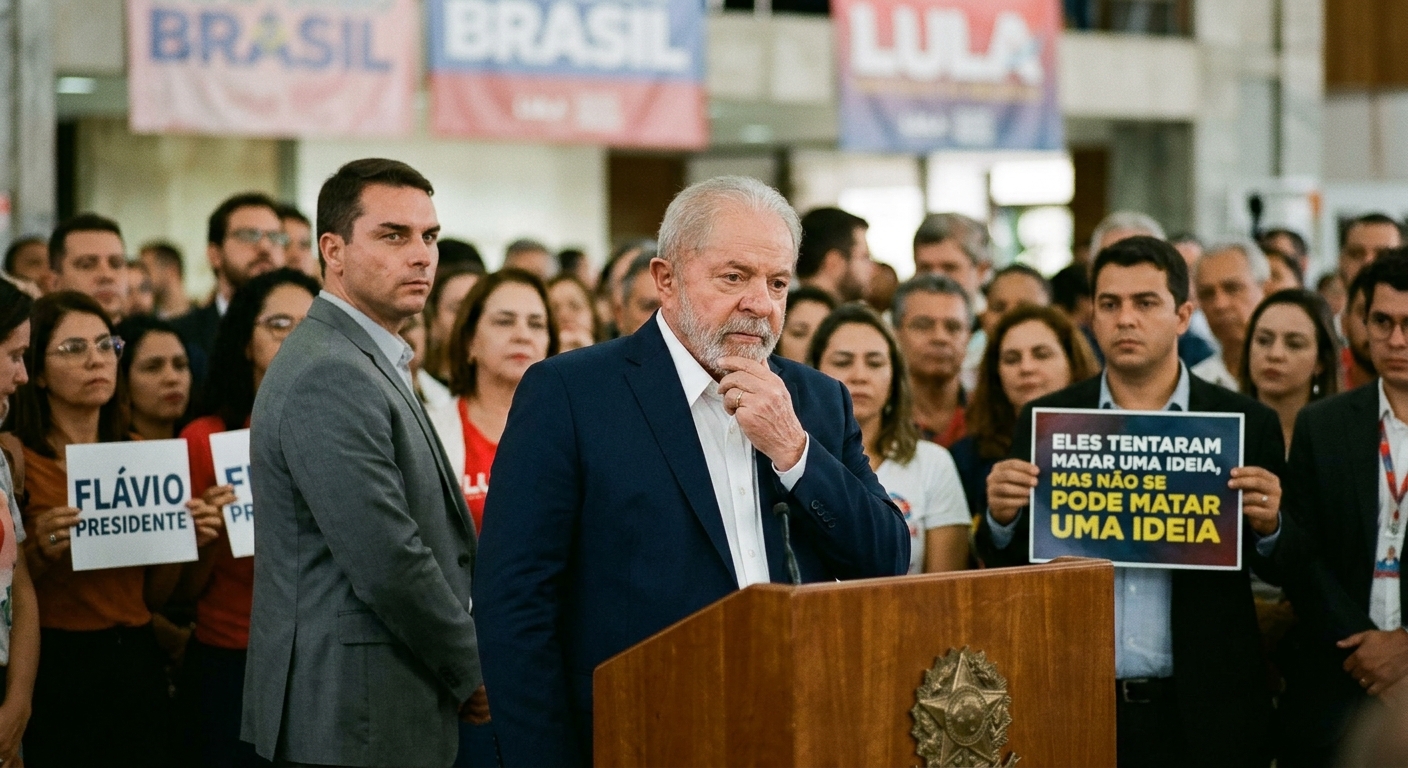
Luiz Inácio Lula da Silva, a pivotal figure in Brazil's left for decades, is once again at the center of a high-stakes political battle, challenging his movement's ability to endure against deep national polarization and a resurgent right. After serving 580 days in prison, Lula re-emerged in 2019, declaring that 'they tried to kill an idea, but you can’t kill an idea.' Now, as Brazil's president, he faces a runoff election against right-wing Senator Flávio Bolsonaro, eldest son of former president Jair Bolsonaro, who is currently imprisoned for attempting to overturn the 2022 election. Lula, an almost 81-year-old political veteran, is trailing Flávio Bolsonaro in initial polls, highlighting the significant challenges ahead. Born into poverty in 1945, Lula's journey from a metalworker and union leader to president is a testament to his resilient political career. He co-founded the Workers' Party (PT) and, after three unsuccessful presidential bids, secured victory in 2002 by building broader alliances and moderating his image. His two presidential terms (2002-2006) were marked by significant social inclusion, lifting millions out of poverty, expanding educational access, and boosting Brazil's international standing. However, his legacy is also marred by corruption scandals like Mensalão and Lava Jato, which severely damaged the PT's reputation and led to his own conviction (later annulled). As he seeks another term, Lula confronts numerous headwinds. New corruption investigations, including those involving Banco Master and his own son, Lulinha, fuel the 'party of corruption' narrative leveraged by the right. Internationally, Lula clashes with the Trump administration over tariffs and trade, while a rightward shift in Latin America, exemplified by Argentina's President Javier Milei, creates regional friction. Domestically, economic frustrations persist despite low unemployment, weakening support among his base compared to the commodity boom years of his first presidency. Beyond the immediate election, a critical long-term challenge for Brazil's left is the absence of a clear successor to Lula. His unique ability to connect with voters, particularly those who benefited from his social programs, makes him an almost irreplaceable figure. As Brazil heads to the polls, the election will not only determine the country's immediate future but also test the enduring power of Lula's movement against the formidable challenge posed by the Bolsonaro dynasty and a deeply divided nation.