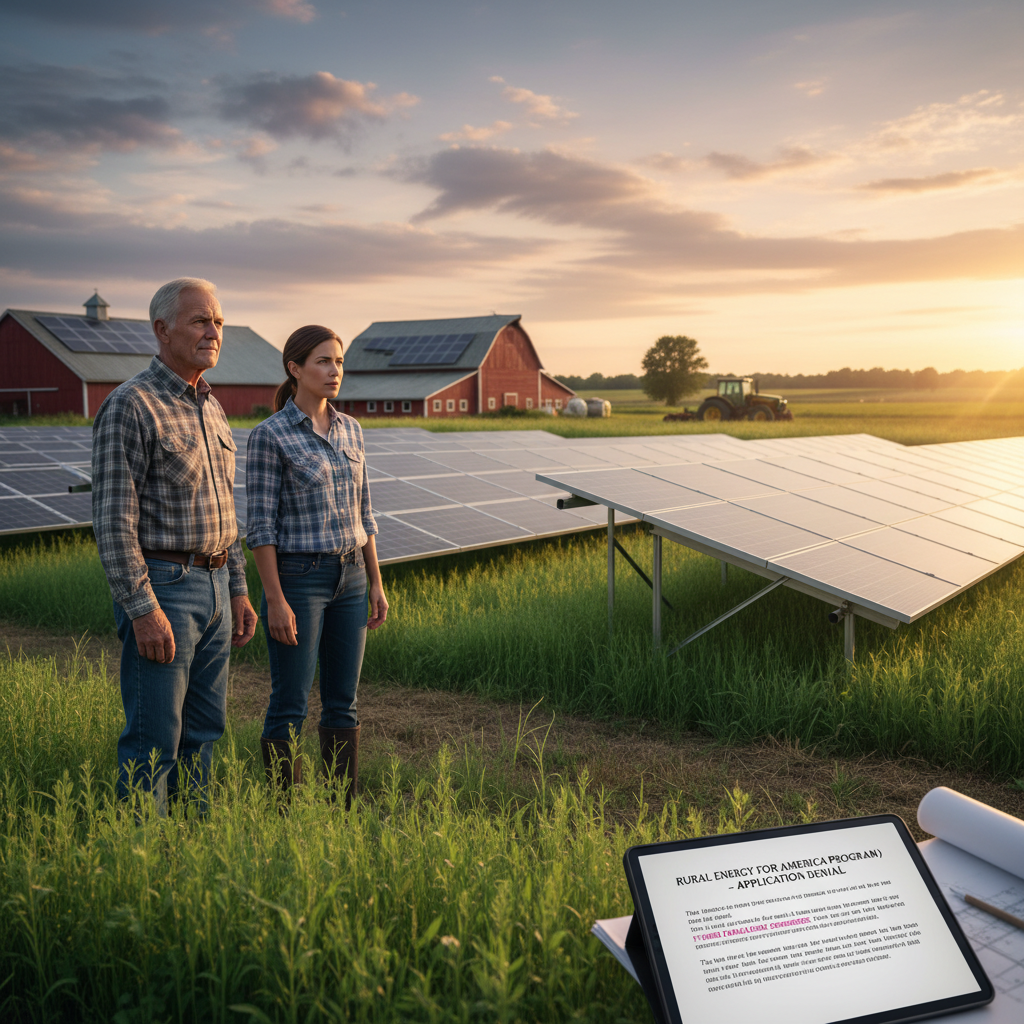
A new farm bill and a shifting political landscape are making it increasingly difficult for farmers to access federal funding for solar energy projects, despite solar's proven financial benefits and potential for innovative agrivoltaics.
The article highlights the growing challenges farmers face in adopting solar energy, contrasting it with past successes like George Hunt's, whose dairy farm benefited immensely from solar panels twelve years ago thanks to federal grants and state credits. Hunt's recent application for a Rural Energy for America Program (Reap) grant to install agrivoltaics on his hayfield was denied, signaling a broader shift. The proposed farm bill, passed by the House and awaiting Senate review, includes a provision disallowing federal funding for converting prime farmland to ground-mounted solar (with exemptions for smaller properties and roof-mounted systems). This, coupled with a hypothetical future Trump administration's anti-renewables stance, abolishing tax credits and delaying permits, is severely impacting solar development. A critical "foreign entity of concern" clause, targeting components from countries like China, could act as a de facto ban due to China's market dominance, making even exempted projects ineligible for federal funds. Advocacy groups argue this provision is a misguided attempt to address farmland loss to development, as solar companies offer more for land than agricultural leases, and that it unfairly targets solar while other forms of development go unchecked. The bill's language is also confusing regarding agrivoltaics, which allows land to remain in agricultural production while generating energy. While a separate provision calls for a study on agrivoltaics, critics note ample existing research on its benefits. Farm advocacy groups urge the Senate to revise the restrictive solar provisions, streamline grant processes, and ensure farmers retain access to crucial financial assistance for solar, as many, like Rebekah Pierce, rely on such aid to make solar adoption affordable and keep their operations solvent.