Cop30 was marked by dramatic Indigenous protests, a viral moment of a diplomat holding a baby, intense debates over fossil fuel transition led by nations like Colombia, and a nail-biting procedural hiccup before a consensus deal was reached, highlighting the emotional struggle for climate action.
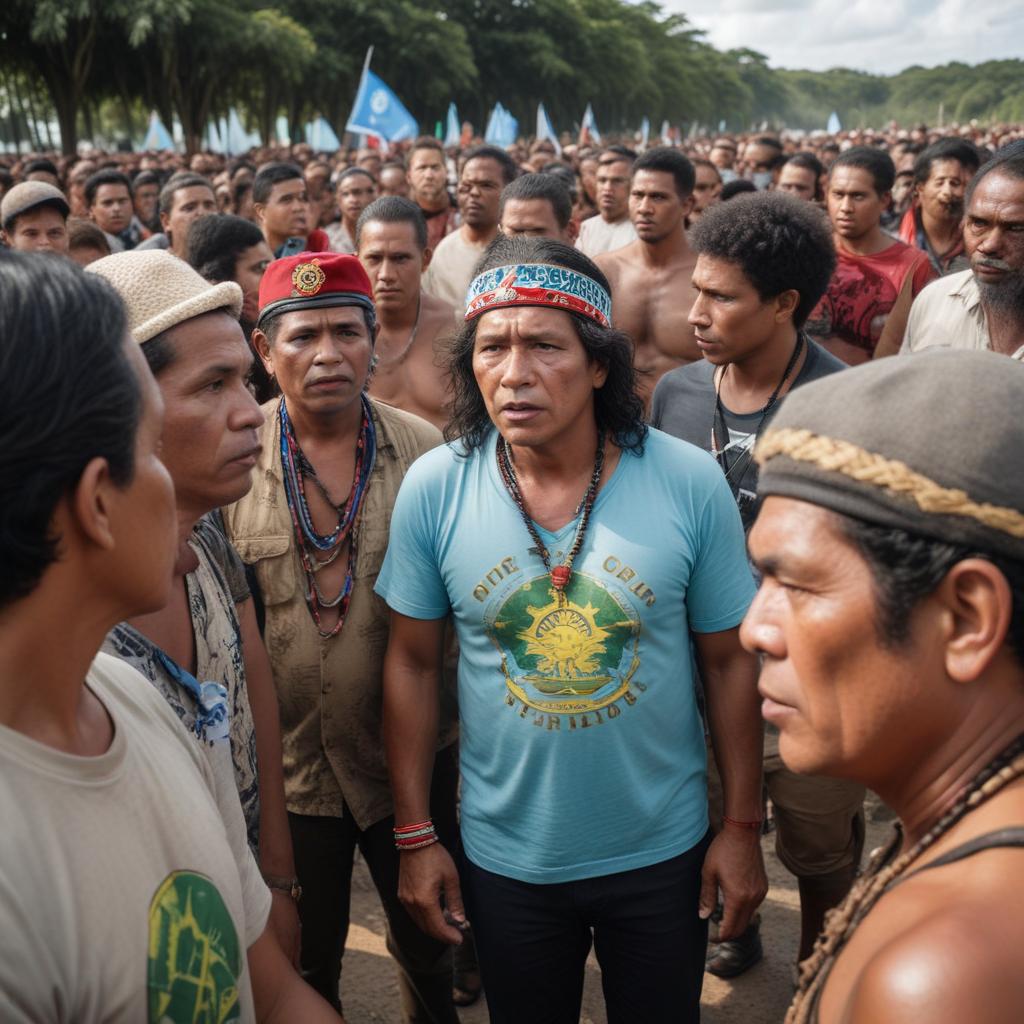
The Cop30 summit in Belém was a scene of tension and emotion, highlighted by a protest where around 50 Munduruku Indigenous people blocked the entrance, demanding to speak with Brazil's president about the ruination of their lands. Instead, they met André Corrêa do Lago, president of the talks, who notably held a Munduruku baby, a powerful visual moment amidst the protests. He then facilitated a three-hour conversation with the Indigenous representatives. This protest was part of a larger movement at Cop30, the first major climate protest in four years, with demonstrators from across the Amazon and worldwide demanding forest protection, fossil fuel phase-out, and climate justice. Chants of "Nothing about us without us" underscored the call for marginalized voices to be included. Colombia, led by Environment Minister Irene Vélez Torres, championed the demand for a just transition away from fossil fuels, ensuring it was a prominent topic despite its omission from the final agreement. Colombia and the Netherlands announced an international conference on this transition for next year, and 24 nations committed to a separate high-ambition process. The talks concluded with a dramatic procedural scare when Colombia objected to the "mutirão" text, the core agreement, after it was initially gavelled. After an hour of consultation, the gavelling was upheld, and other disagreements were resolved, averting a potential disaster similar to past Cop conferences. Brazil's Environment Minister, Marina Silva, delivered one of the most touching moments, receiving a standing ovation for her ultimately unsuccessful efforts to secure stronger commitments against fossil fuels and deforestation. Overwhelmed with emotion, she initially sobbed but then showed defiant resolve, emphasizing that the fight would continue. Silva was instrumental in pushing for roadmaps and the Tropical Forest Forever Facility, which promises direct payments to Indigenous communities for forest preservation, contributing to the global south's stronger standing at Cop30.