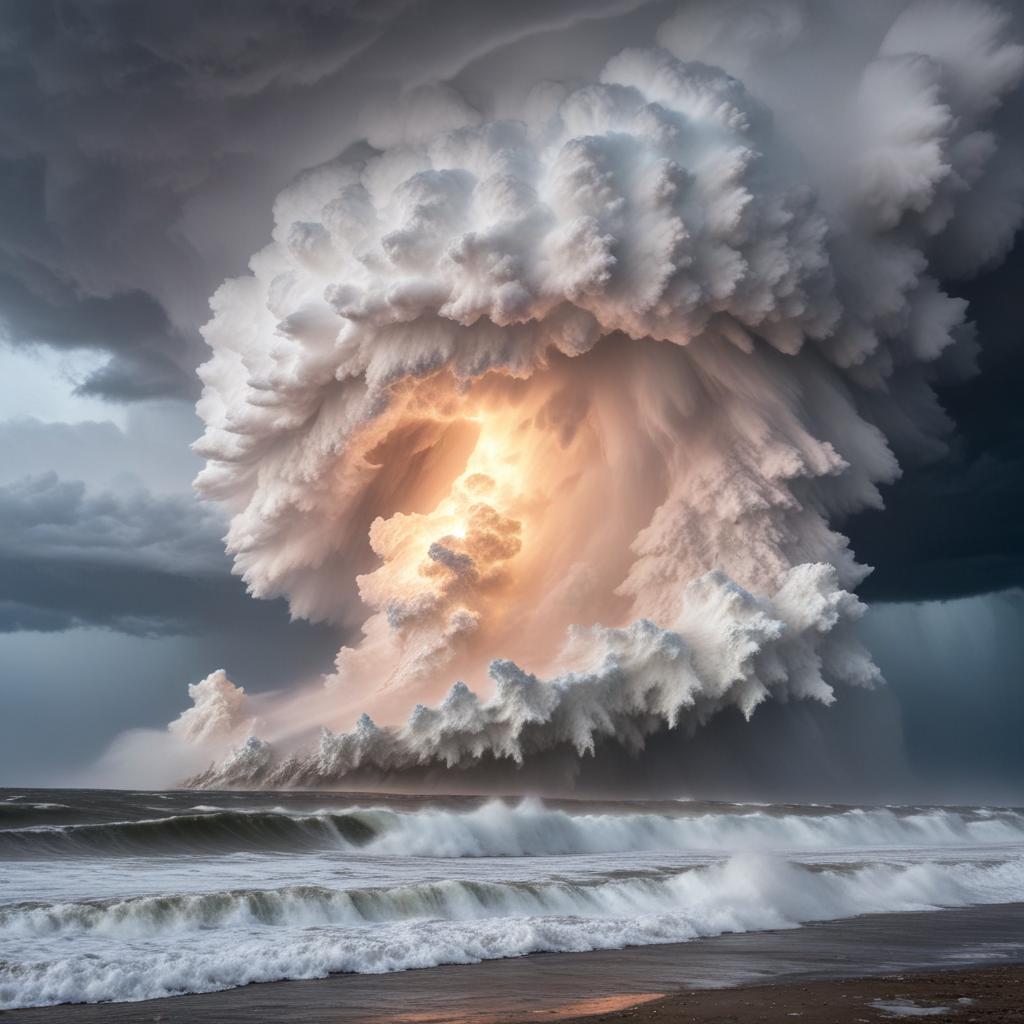
Learn what a 'bomb cyclone' is: a storm that rapidly intensifies through 'bombogenesis,' dropping at least 24 millibars in central pressure within 24 hours, leading to dangerous conditions like blizzards, intense winds, and power outages, particularly during colder seasons.
When meteorologists warn that a storm could 'bomb out' or become a 'bomb cyclone,' they are referring to a phenomenon called bombogenesis. This occurs when a storm's central pressure plummets by at least 24 millibars in just 24 hours, indicating a rapid and significant intensification. The lower the central pressure, the stronger the storm. These rapidly strengthening storms are notorious for producing severe weather, including heavy rain, blizzard conditions, and intense winds capable of causing dangerous situations such as downed trees and widespread power outages. While bomb cyclones can happen in any season, they are most common during fall and winter. This is due to the clash of frigid Arctic air moving south with warmer air masses, which helps generate the necessary low-pressure areas. Regions in North America frequently affected include Alaska, the Pacific Northwest, and the Great Lakes, with bomb cyclones being less common at lower latitudes.