The Northern quoll, once abundant across Australia, is now critically close to extinction, with recent surveys at Litchfield National Park failing to spot a single individual. Invasive cane toads, toxic baits, and habitat loss are driving the rapid decline of this vital ecosystem predator.
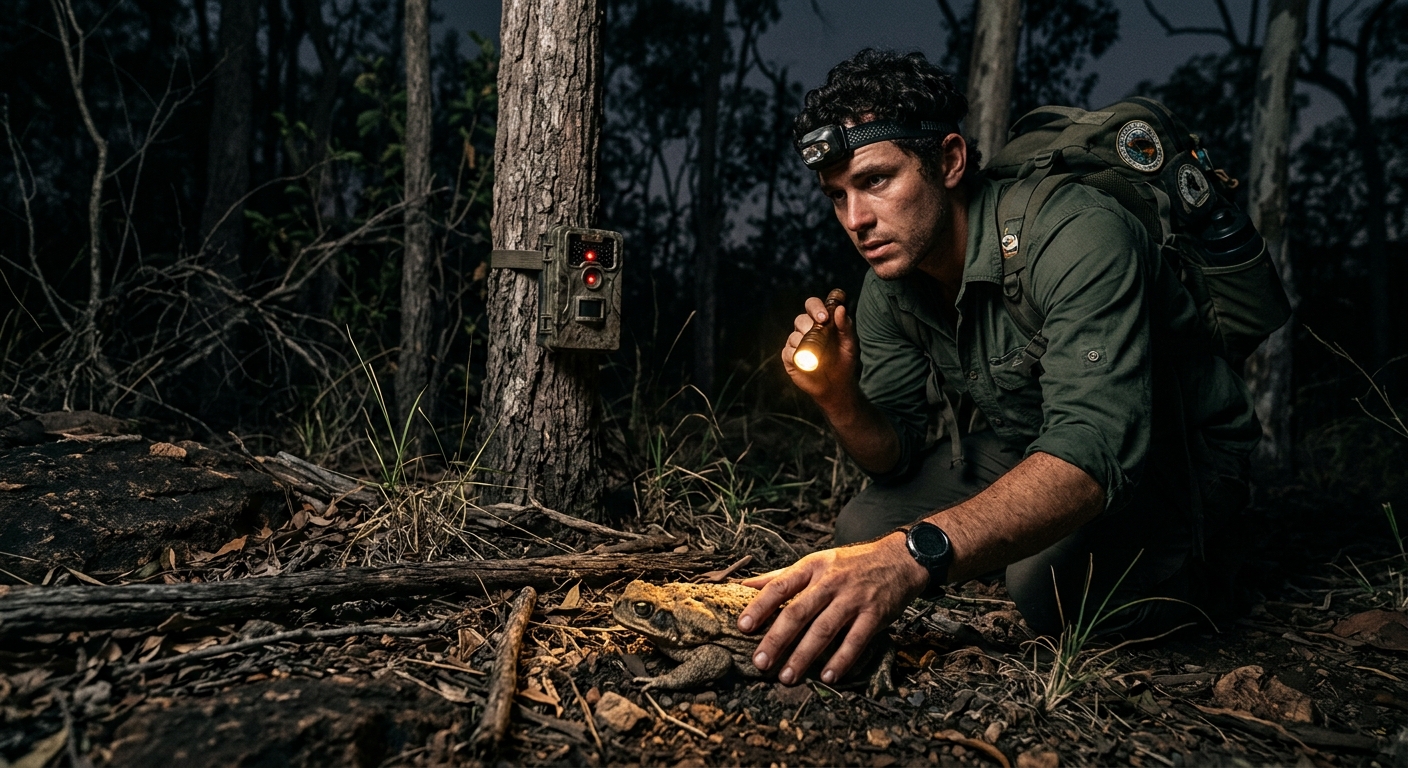
Scientists are sounding the alarm that the Northern quoll, a small, nocturnal marsupial once common across Australia, is now on the brink of extinction. A recent 12-month camera-trap survey at Litchfield National Park, conducted by PhD candidate Ryan Sauermann, found no evidence of the nationally endangered quoll, suggesting it may be locally extinct. This cat-sized predator plays a crucial role in balancing ecosystems by consuming insects, lizards, frogs, and rodents. The decline is attributed to a combination of threats, including rat and mouse baits, feral predators, expanding agricultural areas, and altered forest fire regimes. A primary driver of their disappearance is the invasive cane toad, introduced in 1935. When quolls consume these toxic toads, they ingest lethal neurotoxins, leading to observed population declines of up to 95 percent after an invasion. The quoll now occupies only half of its historical range, fragmented into isolated clusters. Researchers warn that without intervention, quolls could vanish completely within decades. They advocate for focused fire and feral animal management in quoll habitats and have developed innovative conservation methods, such as 'toad sausages.' These sausages contain low-toxin toad parts mixed with a nausea-inducing chemical, training quolls to develop an aversion to the deadly amphibians. These efforts are crucial to maintain and restore the populations of this important species.