The once-booming craft beer industry is experiencing a significant downturn, with hundreds of breweries closing across the U.S. This article delves into the reasons behind this national trend, including the lasting impact of the pandemic, shifting consumer habits, economic pressures, and rising operational costs, as exemplified by the closure of successful breweries like Call to Arms Brewing Company.
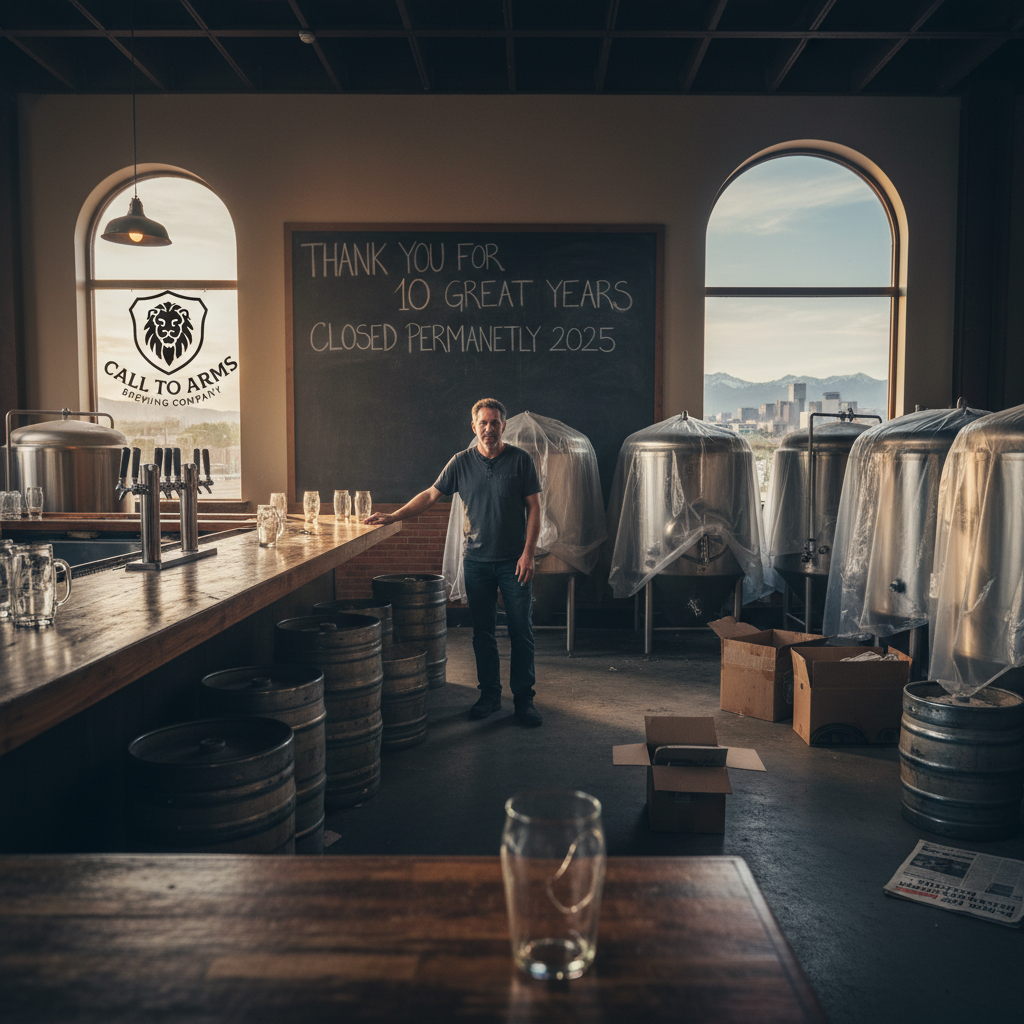
After a massive boom in the late 2000s and 2010s, the U.S. craft beer industry is now facing a steep decline. Chris Bell, founder of the award-winning Call to Arms Brewing Company in Denver, closed his successful business in 2025, citing decreased sales, increased costs due to the Covid-19 pandemic, and the loss of regulars from neighborhood changes. His brewery is one of 100 to close in Colorado over the last two years, reflecting a national trend. The number of U.S. microbreweries soared from 500 in 2009 to 4,500 in 2018, but has since plummeted to about 2,000 by 2024, with production also declining significantly. Stuart Keating's Earthbound Beer in St. Louis, known for its experimental styles, also closed in 2024, impacted by the pandemic's sales downturn and economic shocks affecting its younger clientele. Industry experts point to several factors for the contraction: a post-pandemic shift away from alcohol consumption for health and societal reasons, economic downturns, and rising operational costs like labor, property taxes, maintenance, and insurance. Despite the closures, some industry leaders, such as Shawnee Adelson of the Colorado Brewers Guild and Garrett Oliver of Brooklyn Brewery, view this as a cyclical market adjustment rather than an end to craft beer. They believe the industry will evolve, adapting by targeting diverse demographics, innovating with new ingredients (like Brooklyn Brewery's Fonio Rising Pale Ale), and attracting younger generations like Gen Z as they seek social spaces outside their homes and workplaces.