The secondhand clothing market has exploded from a stigmatized niche to a multi-billion dollar industry, driven by social media, tech, and Gen Z. However, this boom has led to soaring prices, intense competition, and ethical dilemmas, transforming the experience for both long-time thrifters and low-income shoppers.
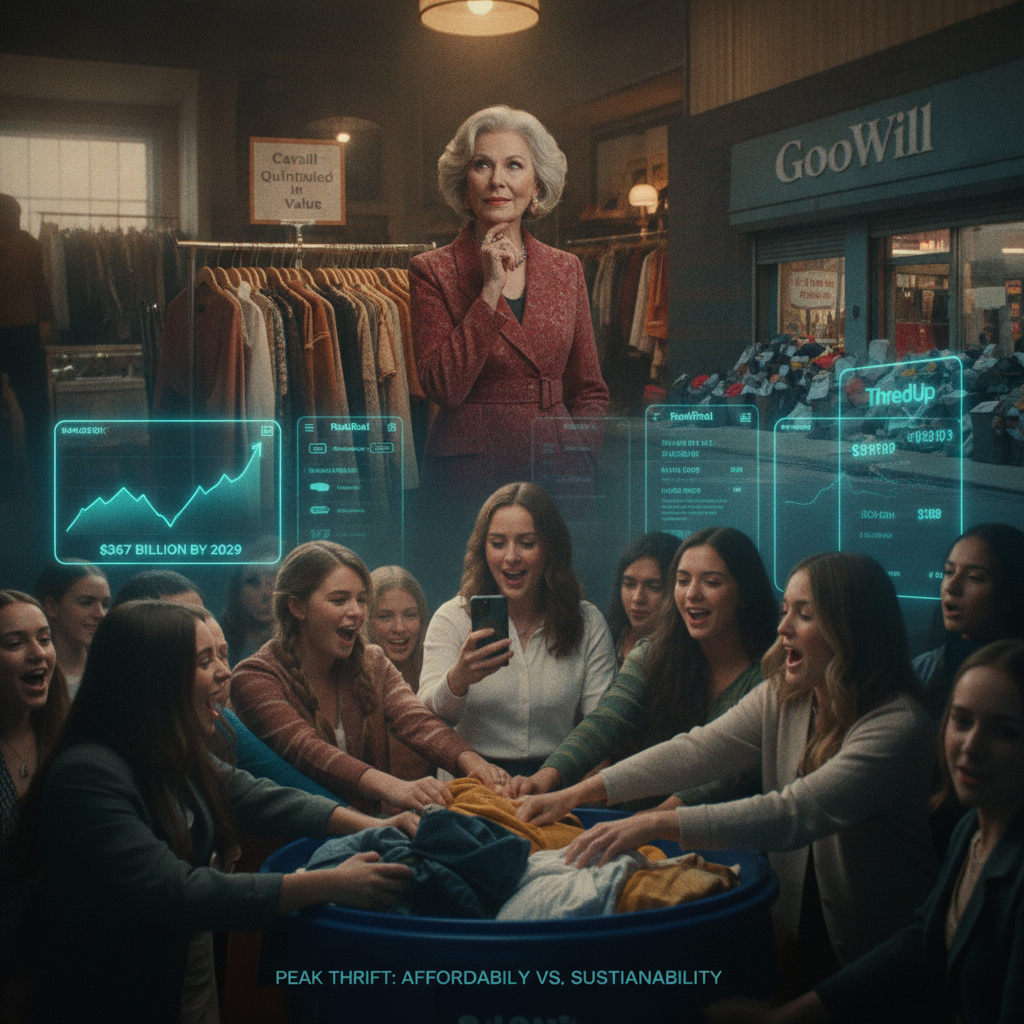
The secondhand clothing market has undergone a dramatic transformation, evolving from a stigmatized activity in the 90s to a multi-billion dollar industry. Vintage boutique owner Janelle Best recalls when thrifting was seen as 'freakish' or for the 'poor,' but now describes 'the hell gates of high school students' flooding bins due to social media crazes like TikTok hauls. The rise of tech platforms such as Depop, RealReal, and ThredUp has made buying and selling more accessible, with the pandemic acting as a tipping point for a global surge in thrifting. The market is projected to reach $367 billion by 2029, growing significantly faster than the overall apparel market. However, this boom comes with significant downsides. Long-time thrifters lament rising prices and increased competition for quality items. Prices have skyrocketed across the board, from high-end vintage pieces (like Cavalli, which has quintupled in value) to charity shops like Goodwill, leading to widespread complaints about 'ThriftGrift' and items being sold for more than their original retail price. This is attributed to increased awareness of resale value among store managers, inflation, and large chains capitalizing on the trend. The secondhand fashion ecosystem is vast, ranging from luxury consignment to independent mom-and-pop stores. Non-profits like Goodwill, despite their philanthropic mission, face criticism for executive salaries and past controversial practices regarding disabled worker wages. Furthermore, a Yale study suggests that participating in secondhand fashion often drives, rather than replaces, new clothing purchases, challenging the perceived environmental virtue of thrifting. While some experts like Sheri Pavlović advise prioritizing personal taste over labels to find value, and independent store owners like Pat Noecker strive to keep prices low, the 'peak thrift' era is marked by professionalization, ethical dilemmas, and a struggle for true affordability and sustainability.